

Why Most Video Libraries Eventually Run Dry
The story usually starts the same way. A company invests in a video shoot. They capture customer testimonials, team interviews, b-roll footage, social clips, and enough content to fill a hard drive. Everyone leaves excited because it feels like they finally have what they need.
And for a while, they do. The footage gets used on the website. Social posts get published. Ads are launched. Sales teams begin using the videos in conversations. The investment starts paying off. Then something changes. The content starts feeling familiar. Not because it was bad. Because it was successful.
The more valuable a piece of content becomes, the faster it gets used. Eventually, even the strongest video library begins to show signs of fatigue.
Isn’t Repurposing Supposed to Solve This?
Repurposing is one of the smartest things a brand can do. A single customer interview can become a testimonial, multiple social reels, website content, paid advertising assets, sales enablement tools, and email content. One production day can generate months of value when approached strategically.
This is why organizing and managing content is so important. A well-structured video library allows brands to extract significantly more value from every asset they create. But repurposing has a limit.
At some point, you’ve created the clips. You’ve tested the headlines. You’ve published the variations. You’ve extracted the strongest moments. The challenge isn’t a lack of creativity.
The challenge is a lack of new moments entering the system.
What Happens When The Library Stops Growing?
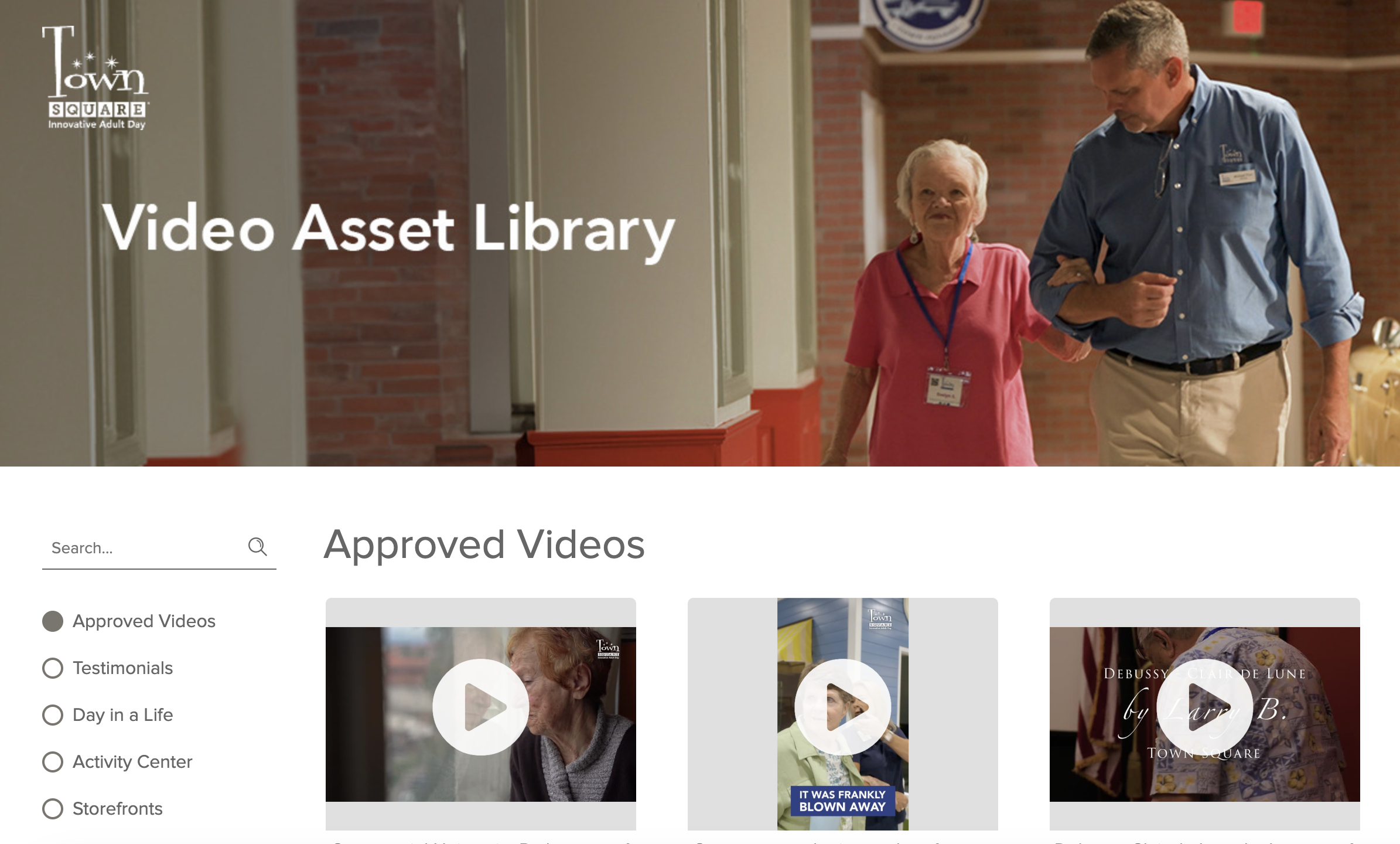
This is where many brands get stuck. They assume the only answer is another expensive production shoot. While professional production will always have an important role, it shouldn’t be the only source feeding your content strategy.
Modern marketing moves too quickly. Customers expect freshness. Social platforms reward relevance. Local markets want stories that reflect their own communities and experiences.
Waiting six months for the next production cycle often creates a gap between what is happening inside the business and what customers actually see online.
The strongest content systems are not built around production days. They’re built around continuous capture.
What Is Continuous Capture?
Continuous capture is the practice of collecting real moments as they happen. Not every valuable piece of content requires a camera crew.
A customer experience.
A team celebration.
A local event.
A technician helping a customer.
A behind-the-scenes moment.
A franchise owner sharing advice.
A product delivery.
A community activation.
These moments happen every day. Most brands simply aren’t capturing them. The goal isn’t perfection. The goal is documentation. Because every moment captured today becomes an asset that can be activated tomorrow.
Every Franchise Location Is Sitting On Untapped Content
This is especially true for franchise organizations. Most franchise systems already have dozens, hundreds, or even thousands of people creating meaningful customer experiences every day. The content opportunity already exists. What’s missing is the system.
Without clear guidance, most franchisees don’t know what to record, how to record it, or where to send it. As a result, valuable stories disappear before anyone has the chance to use them.
Imagine if every location could contribute small pieces of content each month. Not polished commercials. Simple moments. Authentic moments. Moments that reflect what the brand actually looks like in the real world.
Over time, those contributions become one of the most valuable content sources a franchise system can build.
Here’s what continuous capture looks like in practice.
The first video was submitted from the field using a mobile phone. No production crew. No special equipment. Just a real moment captured by a team member during a normal day of business.
Raw Moment
The second video shows what happened after that footage was organized, edited, and activated. The goal wasn’t to create a commercial. It was to transform an everyday moment into a piece of content that could be shared, repurposed, and put to work across the brand’s marketing channels.
Activated Asset
Think Like A Newsroom, Not A Production Company
The brands winning today are beginning to operate more like newsrooms. Newsrooms don’t wait for the perfect moment. They gather information continuously.
They collect stories. They organize material. They identify what matters. Then they package it into something worth sharing. Content systems should work the same way. Capture first. Organize second. Activate third.
The more moments entering the system, the more opportunities a brand has to educate, inspire, convert, and engage its audience.
The Future Is Not More Content. It’s More Moments.
For years, brands focused on creating more videos. The next evolution is creating better systems for collecting moments.
Professional productions still matter. They create authority, polish, and foundational assets that support the brand. But ongoing growth requires something else.
It requires a steady stream of real experiences, real stories, and real moments entering the library. Because every video strategy eventually runs out of footage.
The brands that continue to grow are the ones that never stop collecting moments. Their advantage isn’t that they create more content. Their advantage is that they built a system that ensures content never stops arriving.
Your content library is only as valuable as the moments feeding it. The question is: how are you creating a system that ensures those moments never stop arriving?